Walk into any basement, energy closet, or garage and you will likely find a gray steel door with a lock and a label or 2 from a past electrician. Behind that door sits the most important piece of your home's electrical system: the electrical panel. It is unglamorous, it hardly ever gets a second thought, and it does its job so quietly that years can pass without anyone raising the cover. Yet every light that turns on, every battery charger, home appliance, heatpump, server rack, and vehicle battery charger depends upon that panel doing a thousand small things right.
The electrical panel is both a circulation center and a safety device. It receives electrical service from the energy, splits it into branch circuits, and safeguards those circuits from overloads and faults. The much better you comprehend what the panel does, the more secure and more resistant your home will be, especially as loads climb up with electrification. I have replaced scorched buses, rebalanced extremely uneven feeders, and tracked down nuisance trips to loose terminations. Excellent panels prevent most of these headaches. Badly maintained or undersized panels invite them.
What the Panel Really Does
At its core, the panel takes a high‑capacity feed from the utility and divides it into workable, secured circuits. In North America, that feed normally arrives as split‑phase service, delivering 2 hot legs at 120 volts relative to neutral, and 240 volts between the legs. In much of the remainder of the world, single‑phase 230 volt service prevails, and multi‑family structures might see three‑phase distribution. The panel's bus bars accept the incoming service, and breakers use those buses to feed branch circuits.
Protection matters as much as circulation. When a circuit is overwhelmed or a fault takes place, the breaker opens before conductors overheat. The main breaker is your last line of defense for the whole dwelling, and it also offers a manual ways to de‑energize all downstream circuits. Grounding and bonding, typically misunderstood, occur inside or nearby to the panel also. The grounding electrode conductor connects the system to earth. The connection in between the neutral bar and the enclosure, called bonding, is made at one point just, typically the service equipment. In subpanels, neutrals are isolated from premises. I find out a lot about the quality of previous work by opening a panel and inspecting that single detail.
Think of the panel as a traffic circle where currents enter, branch, and return, with guardrails that spring into action when driving gets erratic. The guidelines of that circle are set by your local code authority and security standards, and the panel's task is to enforce them in metal and copper.
Anatomy of a Modern Panel
Panels look easy from the outside, but the parts inside serve distinct roles. Knowing them helps owners speak smartly with electricians and area difficulty early.
The enclosure is the metal box secured to a wall stud or masonry. It should have sufficient working clearance, which is where lots of remodels fail. I have actually seen freezers shoved against panels and shelving set up inches in front, which seems harmless till somebody requires gain access to throughout an outage. Code needs clear area in front and around the panel, typically 30 inches large and 36 inches deep, more in some jurisdictions.
Behind the dead front, a pair of bus bars feed breaker stabs. The main breaker, generally at the top, feeds those buses. Some panels utilize plug‑on neutral systems, which streamline installation of arc‑fault and ground‑fault breakers by offering an integrated neutral connection. Neutral and ground bars sit along the sides. In a main circuit box, they are bonded. In subpanels, the neutral should drift, and a different equipment grounding bar is bonded to the can.
Breakers are available in a couple of flavors. Requirement thermal‑magnetic breakers protect against overloads and short circuits. GFCI breakers monitor for imbalance between hot and neutral, opening if even a couple of milliamps leak to ground. AFCI breakers identify signatures of arcing faults, especially helpful in preventing fires from damaged cords or staples through conductors. Numerous modern-day codes require mix AFCI in many living spaces, and GFCI where water exists. Some gadgets integrate both functions, which streamlines design however can complicate troubleshooting.
Bus rating is a quiet specification that matters. A panel may have a 200 amp primary breaker, however if the bus is rated for just 150 amps, the assembly should be dealt with as 150 amps. The labeling inside the door tells the reality more reliably than a property listing.
Load, Capability, and Why "Spare Spaces" Are Not the Same as Extra Amps
Owners often peer at a panel, see empty breaker spaces, and presume they can include anything they like. Area does not guarantee capability. I once visited a 1960s cattle ranch with a 100 amp panel feeding a home that had grown by 900 square feet, a hot tub, and a heatpump hot water heater. The panel had extra breaker areas, yet the primary breaker ran hot throughout cold snaps. A load calculation told the genuine story.
Load estimations take into consideration square video footage, number of small home appliance circuits, laundry circuits, repaired devices, A/C, and demand elements that recognize not whatever runs at once. The estimation, mandated by code, yields a service size that supports your most likely peak demand. Where things get interesting is with EV charging and all‑electric cooking and heating. A 40 to 60 amp EV charger plus an induction variety and heatpump can press a 100 amp service to its limits. If you frequently blow the primary when the dryer and oven run with the charger active, you are seeing the math in action.
Oversizing a panel rarely harms. A 200 amp panel with a bus to match provides headroom for future loads and prevents daisy‑chained subpanels that make fixing messy. In larger homes or homes with accessory dwellings, 320/400 amp services with meter‑main mixes are progressively common, permitting 2 200 amp panels or one primary with a big subpanel. The energy connection, service conductors, and grounding should all scale accordingly.
Safety: The Uninteresting Information That Prevent Fires
Most panel issues are not dramatic. They are sluggish, cumulative concerns that eventually end up being significant. Loose terminations may bring for years, heating up a lug just enough to oxidize the copper, which increases resistance and heat, until one day you smell what I explain to clients as the "warm electronics" smell near the panel. Rust in coastal environments chomps at breakers and bars. Aluminum feeders need antioxidant paste and correct torque, both easily skipped by an inexperienced installer.
Torque matters. Manufacturers specify inch‑pound values for lugs and breakers. Electrical contractors who bring a torque screwdriver tend to produce panels that age gracefully. Pulling on a conductor with pliers is not torqueing. On an examination, I look for tidy conductor removing with no nicked hairs, neatly dressed wires, and clear labeling. I also try to find hacks: double‑lugged neutrals under a single screw, grounds and neutrals blended on the wrong bars in subpanels, and tandems where they do not belong. Many panels enable "tandem" breakers only in particular slots, and just approximately a count noted on the label.
Arc fault defense is a regular point of friction since AFCI breakers can trip on specific loads, especially older vacuum motors and some low-cost LED motorists. I have actually switched brand names to reduce problem tripping and rerouted neutrals when shared neutrals triggered parallel courses. If an AFCI trips often, treat it as a diagnostic idea instead of junk to be removed. Lots of tripping issues trace back to circuitry errors in the circuit, not the breaker itself.
Ground fault protection saves lives, especially outdoors and in bathrooms and kitchens. Today's codes frequently need GFCI protection for outdoor outlets, garages, basements, laundry areas, and kitchens. Whether you put that security at the breaker or the receptacle depends on the circuit layout, but the electrical panel stays a practical and dependable place to centralize it.
Main Panels, Subpanels, and When Each Makes Sense
The main service panel includes the service disconnect, the first means of shutoff. Whatever downstream is circulation. A subpanel is simply a panel fed by a breaker in the main panel, with four‑wire feeders: two hots, a neutral, and a ground. Neutrals and grounds are separated in subpanels, an outright guideline that prevents objectionable present on metal enclosures.
Subpanels make sense for large additions, removed garages, backyard offices, or anywhere you would otherwise run numerous long branch circuits. Instead, you run a single appropriately sized feeder and set up a subpanel near the loads. It decreases voltage drop on long runs and improves future flexibility. I choose to oversize subpanel feeders slightly when trenching is involved, because digging again for a larger cable television is seldom worth the cost savings of going small.
Detached structures include another layer: grounding electrodes at the structure, in some cases with additional bonding requirements. Local amendments differ. If a consumer asks me to "simply run a couple of breakers out to the shop," I know we need a better strategy. It pays to get the subpanel right the very first time, with space for dust collection, air compressors, and welders if the store evolves.
Upgrades: When and How to Tackle Them
Reasons to upgrade panels cluster in three categories: capacity, safety, and modernization. Capability upgrades feature EVs, heatpump, induction cooking, jacuzzis, and accessory house units. Security upgrades deal with panels with recognized flaws, such as particular classic designs whose breakers do not reliably journey or whose bus styles cause overheating. Modernization includes outside disconnects, whole‑home surge protection, and smart monitoring.
Upgrading from 100 to 200 amps normally involves coordination with the energy, replacement of meter bases, service masts, and the grounding system. Expect to be without power for a number of hours to a day. I inform customers to empty the ice maker, plan meals that do not require cooking that buy electrical panels day, and keep sensitive electronic devices unplugged until after surge devices are set up and power is stable. Expenses differ by region and complexity, however a clean upgrade without any surprises typically falls in the low 4 figures, rising when drywall repair work, long service entrances, or trenching come into play.
One underrated modernization is the addition of a primary breaker lockout and a systematic directory site. A well‑labeled electrical panel is a present to future you. I have invested too many hours tracing unlabeled circuits in homes with elaborate remodel histories. An easy load directory that is precise today deserves more than the majority of clever home gadgets.
Surge Defense and Sensitive Electronics
Ask 10 electrical experts about surge security and you will get a dozen viewpoints. Energy disturbances, lightning, and big motors turning on and off develop rises that can worry electronics. Whole‑home rise protective gadgets (SPDs) mounted at the panel reduce the intensity of incoming spikes. They are not invincibility capes. They work best as part of a layered method with quality point‑of‑use defense for delicate devices. I have seen SPDs compromise themselves beautifully throughout a storm, taking the hit and leaving tvs, heating and cooling boards, and routers undamaged. For the price of a midrange home appliance, installing a Type 2 SPD at the electrical panel is sensible insurance.
The other half of the equation is voltage stability. Long rural feeds, overloaded area transformers, or undersized conductors can cause sags and swells. If you often discover lights dim when a compressor begins, it is worth investigating conductor size and energy transformer capacity, not just slapping in bigger breakers. The panel is a perspective for those diagnostics, because adding a clamp meter and an information logger at the primary offers an image of voltage and current behavior over time.
Energy Monitors and Smarter Panels
Over the previous couple of years, energy displays that clip over mains and branch circuits have moved from enthusiast toys to trustworthy diagnostics. They reveal patterns that eyeballing a costs can not, such as over night vampire loads or a well pump running frequently. I set up a monitor in an older home after the owner experienced high winter season expenses even after changing to a heatpump. Data showed the resistance heat strips engaging for long stretches due to the fact that of a misconfigured thermostat. The electrical panel, once again, was the main node that made the insight possible.
Smarter panels integrate tracking, load shedding, and even circuit‑level control. For homes with restricted service size, load management can switch off an EV battery charger while the oven is on, then resume charging later on. That method can postpone or prevent pricey service upgrades. When I create panels for customers expecting electrification, I leave area for these controllers or specify equipment with expansion capability.
The Quiet Art of Circuit Layout
A well‑designed panel is tidy, but neatness serves more than aesthetics. Strategic layout lowers neutral crowding, keeps AFCI and GFCI pigtails workable, and discourages cross‑talk in shared channels. I position high‑draw 240 volt breakers near the top to keep those conductors brief and away from low‑level control wiring. Multi‑wire branch circuits, if utilized, require deal with ties or two‑pole breakers so both legs journey together. That is not just code, it is common sense for safety when a shared neutral is present.
Phasing matters with split‑phase service. Balancing loads across the 2 legs lowers neutral currents and voltage imbalance. In one townhouse, half the lighting flickered when the hair dryer and microwave ran together. The cause was an out of balance panel that put most lighting on one leg with a number of big loads on the other. Moving a couple of breakers eliminated the problem. The house owner believed we had replaced a transformer. We just made the panel do its job intelligently.
Aging Panels and Known Issue Children
Not all panels age with dignity. Specific brands and models have well‑documented issues. I have gotten rid of panels whose breakers failed to journey under fault conditions, as confirmed by independent screening over many years. Others suffer from bus stab styles that loosen up and arc. While it is not my function here to name and pity, a licensed electrical contractor in your area will understand which panels merit replacement on sight and can show you the failure modes. If a home examination flags an outdated or problematic electrical panel, do not treat it as a small bargaining chip. Treat it as a priority repair.
Age shows up in subtler methods. Breakable insulation, cloth‑covered conductors, and missing out on bushings tell me the panel has actually seen decades of heat and dust. I check for rust lines at the bottom of the can, a free gift of past water invasion through a bad service mast flashing. Water and electrical energy mix improperly, and deterioration at the primary lugs can warm up under load. Replacement is frequently less expensive than going after intermittent issues that rusted parts create.
EVs, Heat Pumps, and the Rise of the Hectic Panel
Electrification shifts more energy into your panel. A decade back, a common rural home might have a 100 amp panel with gas heat and cooking, a modest air conditioner condenser, and a couple of counter top home appliances. Now, a typical upgrade course adds a 40 amp EV circuit, a 30 amp heatpump hot water heater, a 40 to 50 amp induction variety, and a bigger heatpump air handler with backup heat strips that can draw 10 to 15 kilowatts. The electrical panel becomes a busier intersection.
Before piling on circuits, step back for an energy technique. A 200 amp panel, mix AFCI/GFCI where required, a whole‑home SPD, and area for a load management controller is a robust standard for a modern home. Where service upgrades are tough, dynamic load management buys time. I have actually set up systems to cap total house existing at a threshold, automatically throttling automobile charging when the clothes dryer and variety run. Owners keep their lifestyle, and the lights stop dimming.
For multifamily settings, panels communicate with structure load centers, common‑area feeders, and demand charges from the energy. A well‑instrumented primary with subpanel‑level information assists property supervisors prevent expensive peak spikes. Again, the panel is not just a box of breakers. It is where choices about capability, control, and resilience converge.
Working Around Panels: Access, Labeling, and Routine Care
Most property owners engage with an electrical panel during two moments: when a breaker journeys and throughout a renovation. Those are not perfect times to learn the fundamentals. A little attention once a year can prevent emergencies.
Here is a brief, practical checklist that respects what property owners can safely do while leaving stimulated work to certified professionals:
- Keep the location in front of the electrical panel clear, approximately 30 inches wide and 36 inches deep, with the panel centerline between about 4 and 6 feet off the floor. Open the door and read the directory. Update identifies to match truth. Use a long-term marker and plain language, not "bed room?" or "extra." Press the test buttons on GFCI and AFCI breakers two times a year. Reset them to make sure the systems move freely. Scan for indications of problem: a warm or buzzing breaker, scorch marks, rust, or a smell of hot plastic. If you discover any, stop and call an electrician. If you prepare to include a high‑draw home appliance, request a load calculation and an evaluation of your panel's bus score and readily available spaces before buying the appliance.
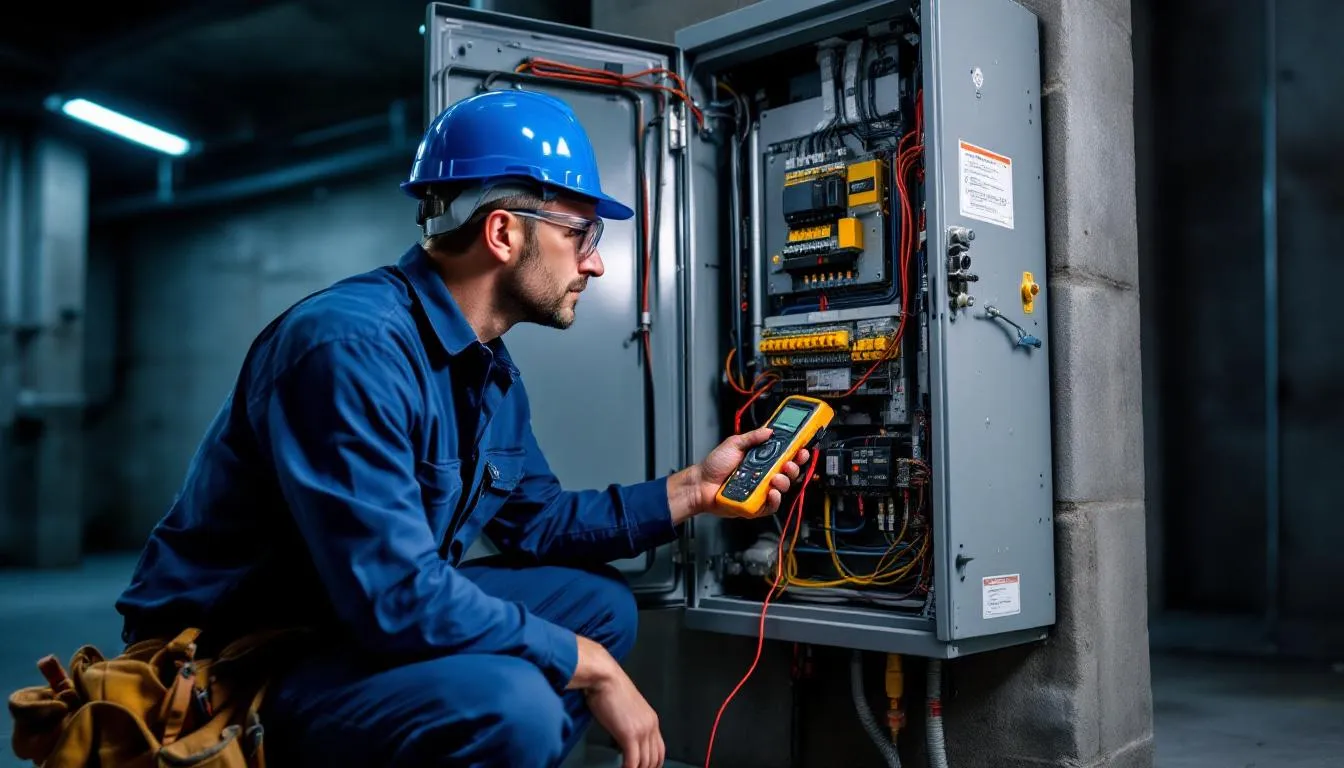
Electricians carrying out upkeep will go even more. We get rid of the dead front, check torque on terminations, try to find double taps, confirm bonding in the ideal locations, and carry out thermal scans under load when warranted. Some problems only appear at high need, so arranging a check during peak usage seasons is useful.
Permits, Examinations, and Doing It Right the First Time
Panels live at the crossway of codes and real‑world conditions. Licenses and assessments might feel bureaucratic, however a second set of eyes captures mistakes. I welcome great inspectors. They have seen patterns throughout hundreds of jobs and typically save time by guiding an information before it ends up being a correction. Pulling a license documents that your upgrade meets existing security requirements, which matters for future insurance coverage claims and resale.
In older communities, I have discovered meter bases with mismatched sockets, split‑bus panels with add‑on disconnects mounted awkwardly, and three generations of handyman repairs layered inside the can. The repair is not playing. The fix is a fresh start, with correct service equipment, clear grounding and bonding, and a directory that leaves no doubts. Shortcuts in service equipment have a method of ending up being expensive later.
Practical Circumstances and Lessons from the Field
A midcentury home with a 100 amp panel and no offered breaker spaces needed a level 2 EV battery charger. The property owner asked for a "slim breaker" to make room. The calculation revealed the service currently operating near its limit on cold evenings when resistance strips started. We offered 2 alternatives: a 200 amp service upgrade or a load management system paired with a 50 amp capable battery charger dialed back to 24 amps. The owner chose load management, and we reserved panel area to reduce a future upgrade. 2 years later, after including an induction range, they selected the 200 amp upgrade. Due to the fact that we had actually planned ahead, the job required minimal rewiring.
In another case, a lakefront cabin had annoyance GFCI trips on a fridge circuit in the garage. The panel directory identified it "garage." After tracing the electrical wiring, we found a mix of receptacles and an outside outlet downstream from the refrigerator. The fix appertained segmentation: a dedicated circuit for the refrigerator and GFCI protection positioned to cover the outside loads without consisting of the fridge. The electrical panel facilitated both the medical diagnosis and the tidy remedy.
A 3rd example included flicker and periodic breaker journeys in a new addition. Thermal imaging at the panel exposed a hot neutral bar. The source was a connected neutral in a junction box where a multi‑wire branch circuit had actually been extended without a two‑pole breaker. One swapped breaker and fixed neutral separation later on, the symptoms vanished. The panel informed the story if you listened.
Planning for the Next Decade
Homes are trending toward greater electrical reliance. Battery storage and solar more integrate with the electrical panel, using either supply‑side taps or breakers with particular interconnections. Automatic transfer switches for generators or inverter‑based backup systems require careful coordination with the panel's bus score and primary detach. Labels and placards become vital so that first responders and future specialists understand the system at a glance.
If you are remodeling or building, develop the electrical panel as part of the architecture. Place it where access is permanent, moisture risk is low, and future expansion is possible. Ask for at least 20 percent extra spaces after existing needs. Consist of a whole‑home SPD from the start. Define breakers with the protection types needed by your jurisdiction, not just generic systems. And record the as‑built circuit map with images before drywall closes.
What a Great Panel Feels Like
Open a well‑executed electrical panel and you see straight runs, clear labels, nicely landed conductors, and breakers matched to their loads. You feel no heat on the cover under standard load. You hear nothing however quiet. The directory is specific: "Dishwasher," not "cooking area left." The primary bonding jumper is present in the service devices, absent in the subpanel. GFCI and AFCI protection appear where they should. The bus ranking matches the main. Surge security sits on a dedicated breaker or lugs with brief leads. There is space to grow.
A panel like that signals regard for your house and its residents. It is more than compliance. It is stewardship.
The Bottom Line
The electrical panel is the foundation of a home's electrical system, the point where safety, capacity, and benefit meet. It channels power, limits risks, and adapts as your life and technology change. When you invest in a quality panel, sized and set up with idea, you get fewer surprises and more options. If you treat it as the energy it is, keep it accessible, identified, and maintained, it will keep doing quiet, important work for years. And when the day comes to include that next huge load, you will have a clean, capable foundation rather of a puzzle box.